Nameless
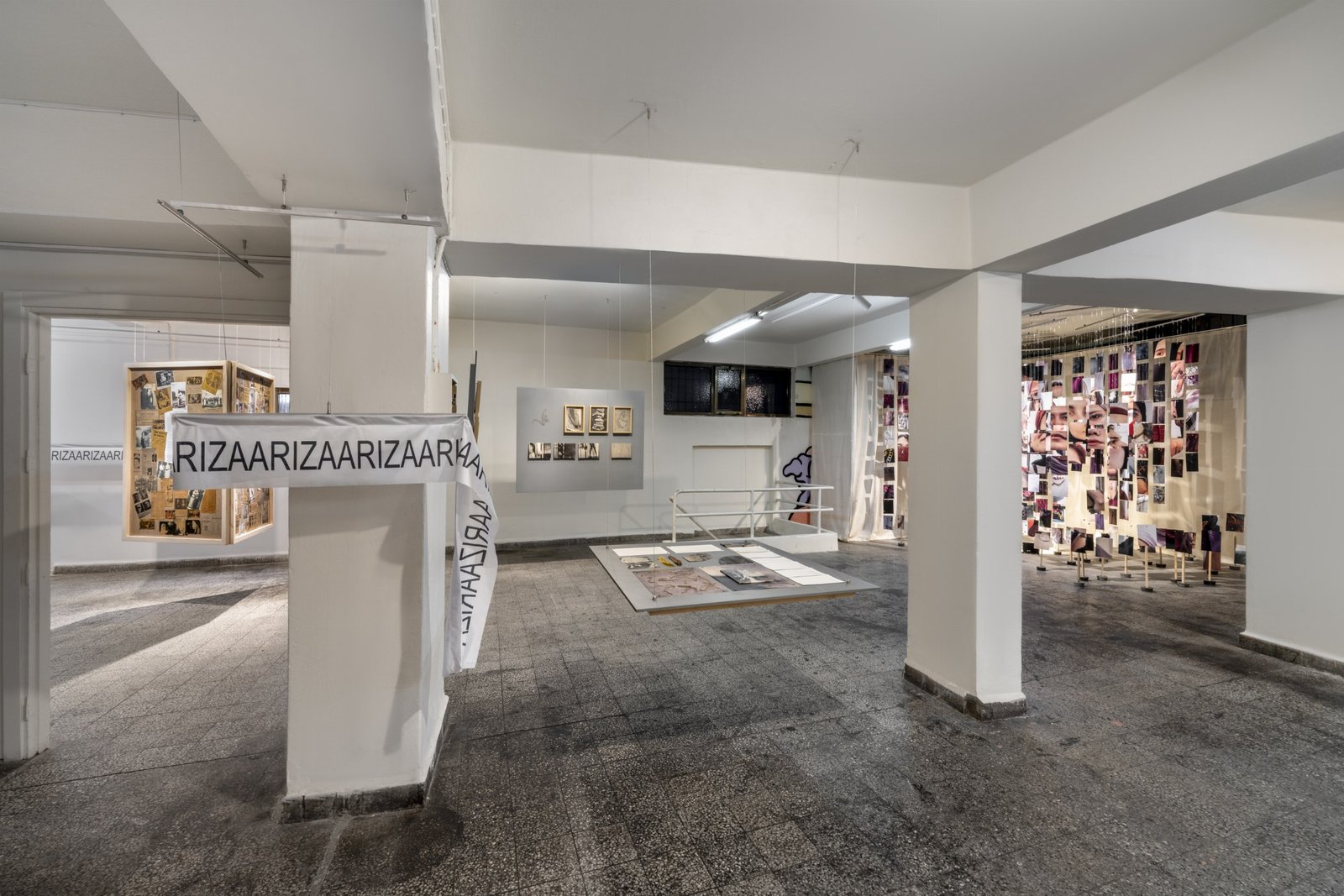
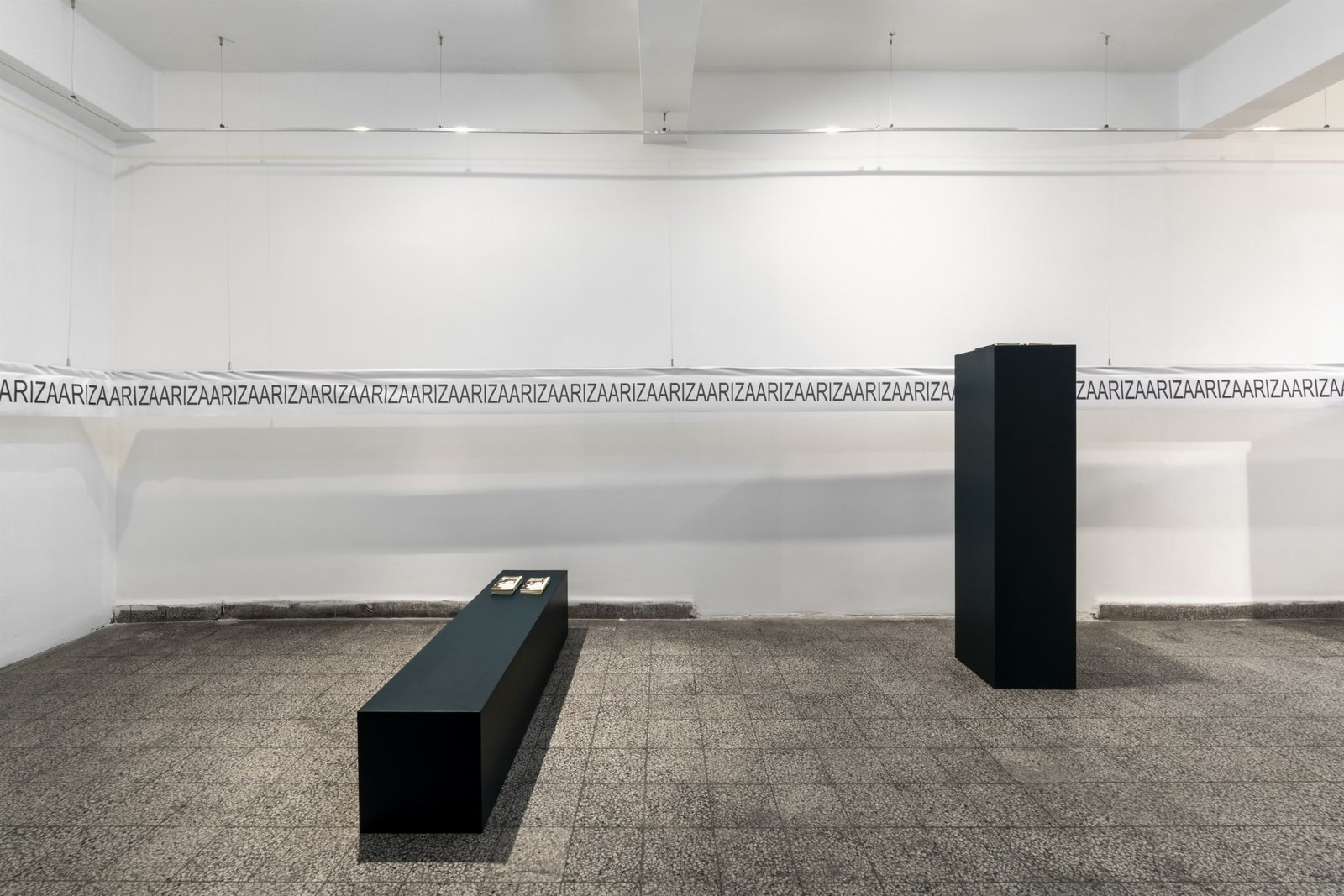
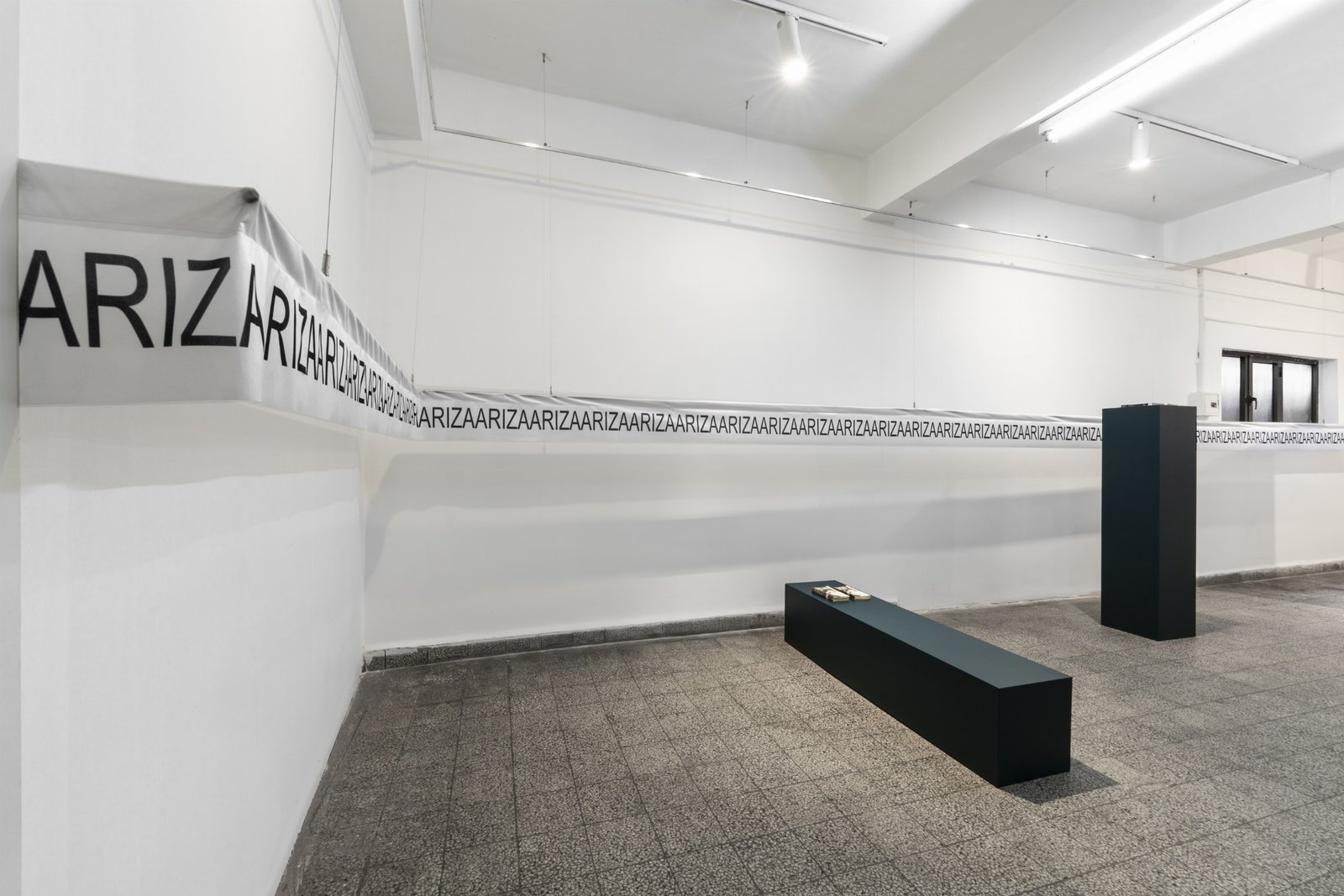
Nejbir Erkol takes one of the most common visual elements in Turkey, an A4 sheet of paper with the words “FAILURE” written on it, which is hung on objects and spaces open to public use, and transforms it into an installation that spreads across the space. This text, which repeats uninterruptedly in a line, ceases to be a one-time malfunction warning; it becomes a rhythmic and persistent gesture - a ritual of “malfunction” that demands attention. While photographing these papers with the word “FAILURE” written on them during the production process, the artist realizes that indicating a malfunction is a performance in itself: Living without repairing is also a kind of practical compromise.The phonetic proximity and semantic contrast between the Turkish words for malfunction and consent suggest precisely the pressure to consent (or acquiesce) to what is broken in the social order. Erkol's incessant repetition of “malfunction”, making it resistant to being covered up, visualizes the cycle of unresolved malfunctions and constitutes an aesthetic protest against silent acceptance. But how does the malfunction interrupt public spaces or social norms where compulsory consent is demanded? Sara Ahmed's concept of willfulness can interpret failure as a refusal to submit to the hetero-patriarchal order's demand to “function without disruption”. Failure embodies the “recalcitrant” subject that disrupts normative flows, challenging the structures through which consent is forced.
Erkol's physical cycle invites us to take a closer look at failure and draws attention to the subjects who embrace the state of being “wrong”, that is, the solidarity of those who choose to remain unrepaired. “Failure” can be read as a collective gathering space; there is a potential where failure, collapse and inability to perform open the door to new forms of subjectivity. The in-between space of failure becomes a kind of home for those who do not conform to the demands of the system - or do not want to conform - and becomes an act of self-definition and the creation of an alternative form of existence against structures that impose functionality.
Text: Alper Turan